Minnesota Companion Animal Board Bill
  • Home
  • ISSUE
  • BILL
  • TAKE ACTION
  • SIGN PETITION
  • FAQS
  • STORIES
  • SUPPORTERS
  • Contact

THE NEED

There are numerous issues affecting companion animals (pets) and the people and communities who care for these animals. See below. 

THE MAIN ISSUE: The needs of pets and the bond to people are unique.
The issue for pets and people is not just what, but who --
not just what is in a law, but who enforces that law. 


A state board with a mission dedicated to the needs of pets and people
with expertise in pet welfare is needed to prioritize these issues and
provide assistance to the pet sector.
Picture
THE BIG PICTURE
​

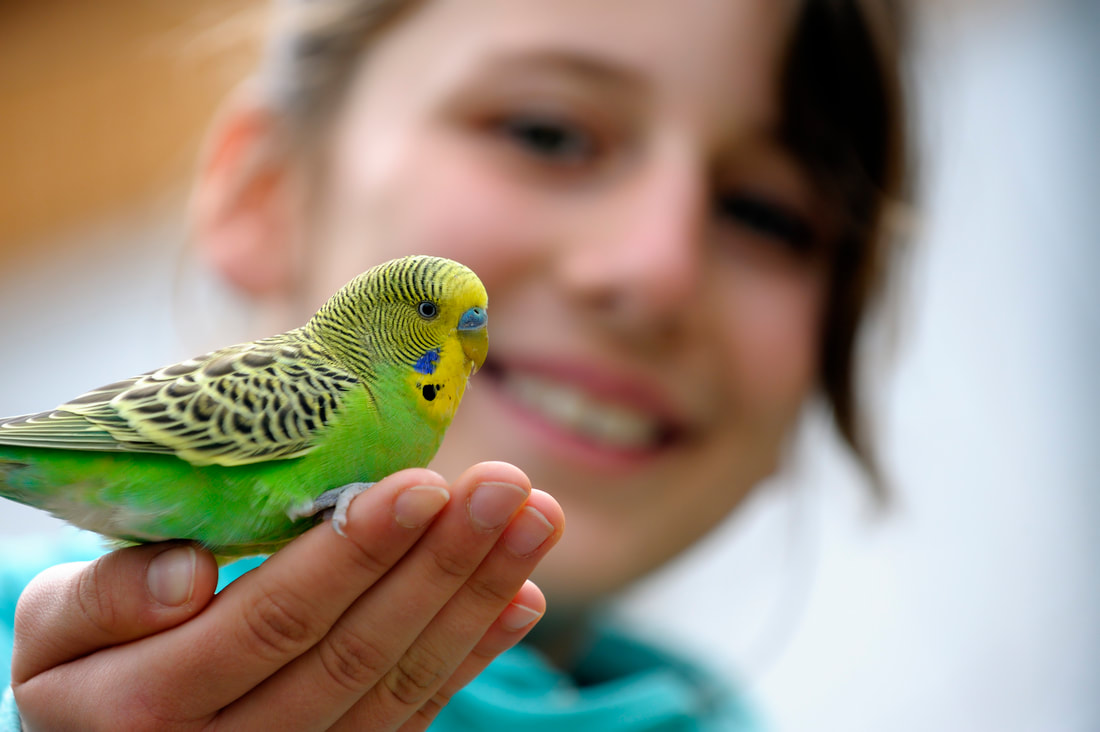
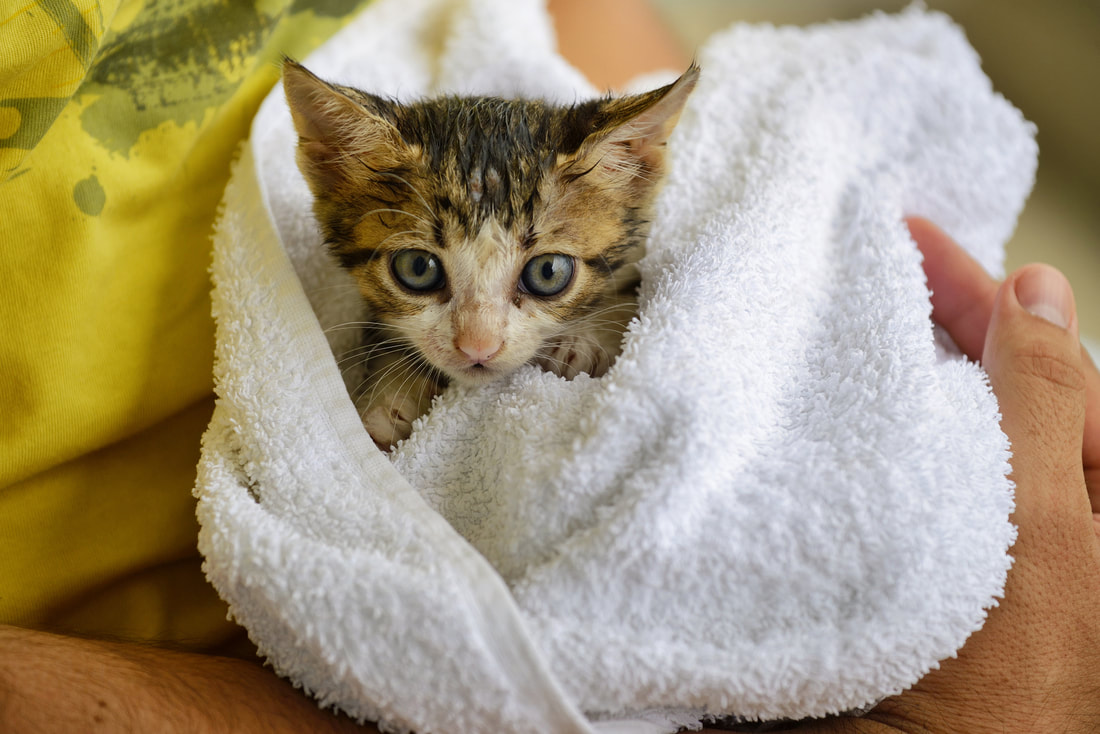
It's reported that between 66%-69% (APPA) of American households have at least one pet. More families in Minnesota have a dog or cat than children. Numerous studies prove the positive impact pets have on human health.

As a result of these changes, the pet industry has exploded — it is estimated to be $277 billion in 2030 (up from $17 billion in 1994).

This growth has placed a significant demand on nonprofits and communities for pet-related services and resources.

While state government has recognized the importance of livestock and invests heavily in agriculture, there is no state agency dedicated to pet issues. There is no investment provided to the pet sector to assist with unwanted pets, teach responsible pet ownership, or effectively enforce laws, such as the dog and cat breeder law, to ensure the welfare of pets.

The Minnesota Companion Animal Board will provide the structure needed to address pet issues today and into the future.

THE PROBLEM
​

The problem is simple: State government continues to see all animals as agricultural products for economic use.

For the past century, it has directed any "animal" issue to agriculture agencies (such as the Board of Animal Health) and agriculture committees for policy and funding. (Government recognized wildlife as different and directs wildlife management to the Minnesota Department of Natural Resources.)

Picture
Example: When the commercial dog and cat breeder law was passed in 2014, there was no place to "put it" — no state agency with pet welfare expertise to properly enforce the law. It ended up with the MN Board of Animal Health (BAH), which is led by livestock producers and aligned with livestock partners. The BAH is responsible for managing diseases in tens of millions of agricultural animals with a mission and funding directed primarily to farmed animals and protection of the food supply. Who leads a state agency (its board and executive staff) shapes its culture, personnel, policies, and decisions.

While all animals require welfare and humane treatment, pets in homes have different needs than livestock.

The problem back then remains today. There is no place in state government to house pet issues, even though the benefits these animals provide to humans are well defined. There is no state agency dedicated to pet welfare that understands the pet sector, recognizes the bond companion animals have with humans, and prioritizes pet issues.

Pets and their care must be separated from agricultural oversight. The CAB bill will provide that structure.

Picture
State regulatory action
The MN Board of Animal Health (BAH), an agricultural board, was directed to regulate large-scale commercial dog and cat breeders. This has been proven to be ineffective. Once the CAB bill is passed, the dog and cat breeder law will be transferred to the Companion Animal Board where pet welfare experts will lead enforcement efforts.

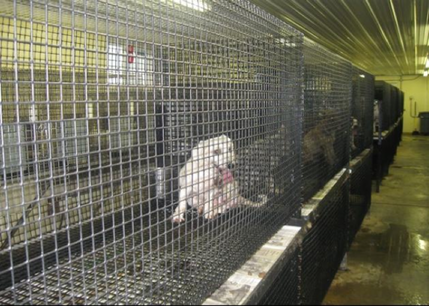
Photo at left is of a state-licensed dog breeding facility in Minnesota. It is from a USDA inspection report. This facility, now under new ownership, is reported by the USDA on 02/12/2025 to have 803 dogs and puppies in its facility. In 2021, the "inventory" count was 1,172 dogs and puppies. The kennel's federal license application, signed in 2022, states it has 2,000 dogs "at any one time during the period of licensure."

Other dog breeding kennels licensed by the MN Board of Animal Health also have hundreds of dogs and puppies. While the "number" of dogs as "inventory" in a kennel is not limited by state law (meaning that there can be unlimited adult dogs and puppy production), the concern by many people and organizations is how the state dog and cat breeder law is enforced. Who (what state agency) enforces a law can determine how the language is interpreted.

Example: Proper pet welfare is supposed to include the physical, mental, and behavioral health of the animal; specific language was added to the MN dog and cat breeder law to include socialization and enrichment practices for the mental health of the dogs. Animals obtained from USDA- and MN-licensed facilities show that the mental health and social well-being of the dogs (confined for years in industrial-sized kennels) is not a priority. The Board of Animal Health (BAH) provides no information about its dog and cat breeder inspections, training of inspectors, or enforcement efforts so it's difficult for the public to assess the BAH's regulatory actions and ensure the health, safety and well-being of the animals. The fact that the BAH has licensed kennels with hundreds of dogs (and, at one time, kennels with over 1,100 dogs) raises questions as to their understanding of pet welfare — including kennel staffing and animal observation, verified practices for dog socialization and enrichment, and assessment of dog mental and physical health.

Data transparency is needed; a new board dedicated to pet and people issues and pet welfare is needed.

Picture
Picture
Picture
Picture
Picture
Picture
Picture
Picture
THE ISSUES
​

Creating a state board for pets would establish a board of companion animal experts that will not only lead and respond to pet issues but also identify problems affecting pets and communities.

A few issues facing people and pets today:
  • How large-dog breeding facilities are regulated
  • Standards and regulation for animal rescues and who will enforce standards
  • Statewide, affordable spay and neuter services
  • Community cat programs
  • Accessible and affordable veterinary care
  • Support for animal shelters
  • Temporary pet housing
  • Animal care for the elderly and disabled
  • Statewide pet food banks
  • Emergency/disaster relief planning for pets
  • Homelessness and pets
  • Irresponsible pet breeding - multiple species
  • Pet services - dog training, grooming, boarding
  • Local government resources for pet-related issues
  • Expertise and data for legislative decision-making
  • Statewide collaboration of pet-related resources
  • Academic studies for human-animal bond
  • Education and outreach to provide pet tips and care
The issues cited above are just a few examples where the Companion Animal Board can step in and lead discussion, coordinate resources, and, as with any other industry or sector, help implement solutions.
Picture
Example: Accessible and affordable veterinary care. Significant pet sector growth and demand have made it harder to access pet-related services. These challenges are exacerbated by nationwide shortages in the veterinary field. Some pets in rural areas can't get emergency care and it can often take months to get an appointment a veterinarian. Adding to the problem: As with farming, many smaller veterinary clinics are now being purchased by corporations and it has been reported that higher prices and pricing schemes (up-sale customers for additional services) is occurring throughout Minnesota. This is not just a problem for nonprofits to fix at their cost. The state must invest in action. Article by Dr. Jeff Young (veterinarian; Rocky Mountain Vet) provides an assessment of veterinary challenges and profit-driven animal welfare.
Example: Licensing of animal rescues. There has been talk for years about licensing or regulating animal rescue organizations. There are numerous credible animal rescues serving pets and people throughout Minnesota, operating with high standards and care for animals. Many within the pet sector support high standards for all rescues. Any regulatory bills introduced at the MN Legislature can and should be administered and enforced by the Companion Animal Board, who would have expertise in this sector. A recent news article: Weak oversight puts rescue pets at risk 

Example: Statewide spay/neuter services. There is a crisis now with funding for spay and neuter services statewide. Animal shelters, rescues, and individuals in communities throughout Minnesota are trying to coordinate these surgeries but additional funds are needed. The benefits of spaying and neutering dogs and cats are numerous, including saving lives by preventing unwanted litters. Organizations like MNSNAP offer low-cost and mobile services and Pet Haven offers SNIP grants, but demand often outstrips supply. One duty of the Companion Animal Board will be to raise funds and distribute grants to support low-cost spay/neuter programs. 

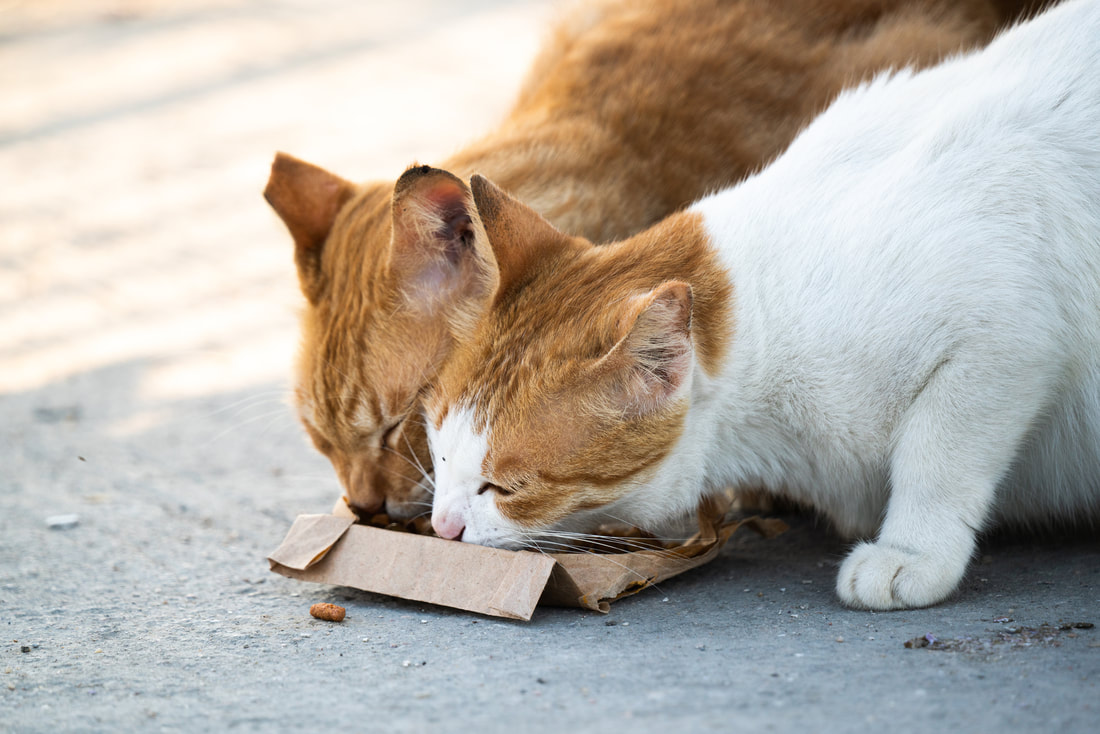
Example: Feral, free-roaming, and community cats. Outdoor cat colonies have also been an issue for many neighborhoods, cities, and counties in Minnesota; in fact, it is a national and worldwide problem. Some low-cost spay/neuter providers exist, but they are experiencing increased demand. The high costs are making it more difficult for independent rescuers and smaller organizations to manage cat colonies effectively. How best to address these colonies and help the animals and people is another issue that could be addressed by the Companion Animal Board (CAB). Included in the CAB's duties is outreach to better understand issues facing communities and work with experts to offer sustainable solutions.

Example: Increased pet surrenders and strained capacity of shelters and rescues. Minnesota animal shelters and rescues have seen an increase in pet surrenders due to high costs of care — such as for food and veterinary care, and also finding pet-friendly housing. Pet rescues across Minnesota are overwhelmed, with many having to turn away surrender applicants; problems for rescues can be finding enough fosters to assist. Some nonprofits are trying to provide assistance, but all areas of Minnesota need help. The Companion Animal Board will be dedicated to the needs of pet owners and the pet sector, supporting facilities in Minnesota who provide resources to pet owners. 


Please show support - take action to help us get the Companion Animal Board bill passed.

Picture
Picture
Picture

SIGN UP IN SUPPORT

Sign the petition in support of the Companion Animal Board bill. 

CONTACT LEGISLATORS

Contact your state legislators and
ask them to support the CAB bill. 

VOLUNTEER

Interested in volunteering? Or want
to donate?
Contact us.
Proudly powered by Weebly
  • Home
  • ISSUE
  • BILL
  • TAKE ACTION
  • SIGN PETITION
  • FAQS
  • STORIES
  • SUPPORTERS
  • Contact